Shipping Container Homes in Maryland & Virginia: What You Need to Know in 2026
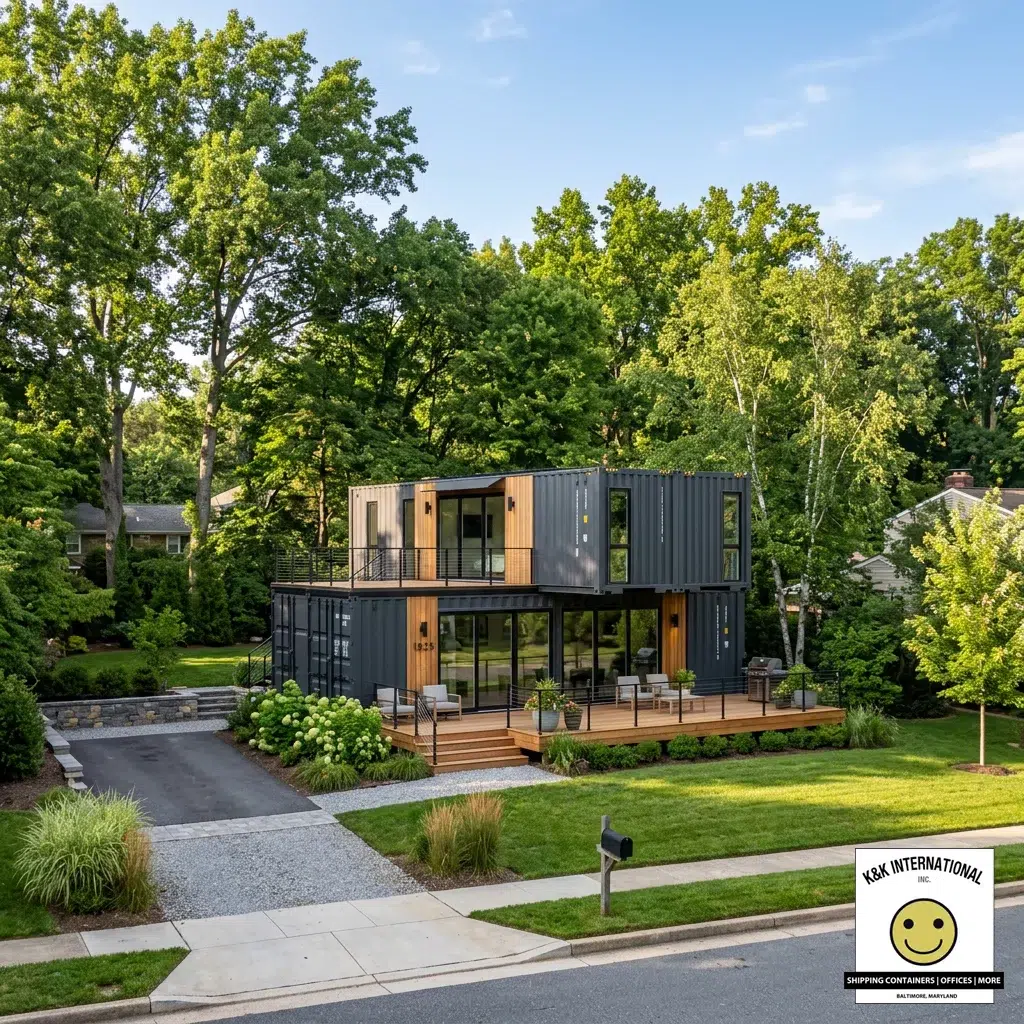
Shipping container homes in Maryland and Virginia are no longer a niche concept — they are a legitimate, growing housing option across the Mid-Atlantic region. Buyers are drawn to their durability, lower build costs, and faster construction timelines compared to traditional homes. This guide covers what you need to know before buying or building a container home in Maryland, Virginia, or the Washington DC metro area — from permitting and zoning to sourcing the right containers and working with experienced local suppliers. While K &K International does not build container homes, we are the go-to supplier for affordable containers in the region. We are family owned and operated for over 30 years.
Why Container Homes Are Growing in Maryland & Virginia
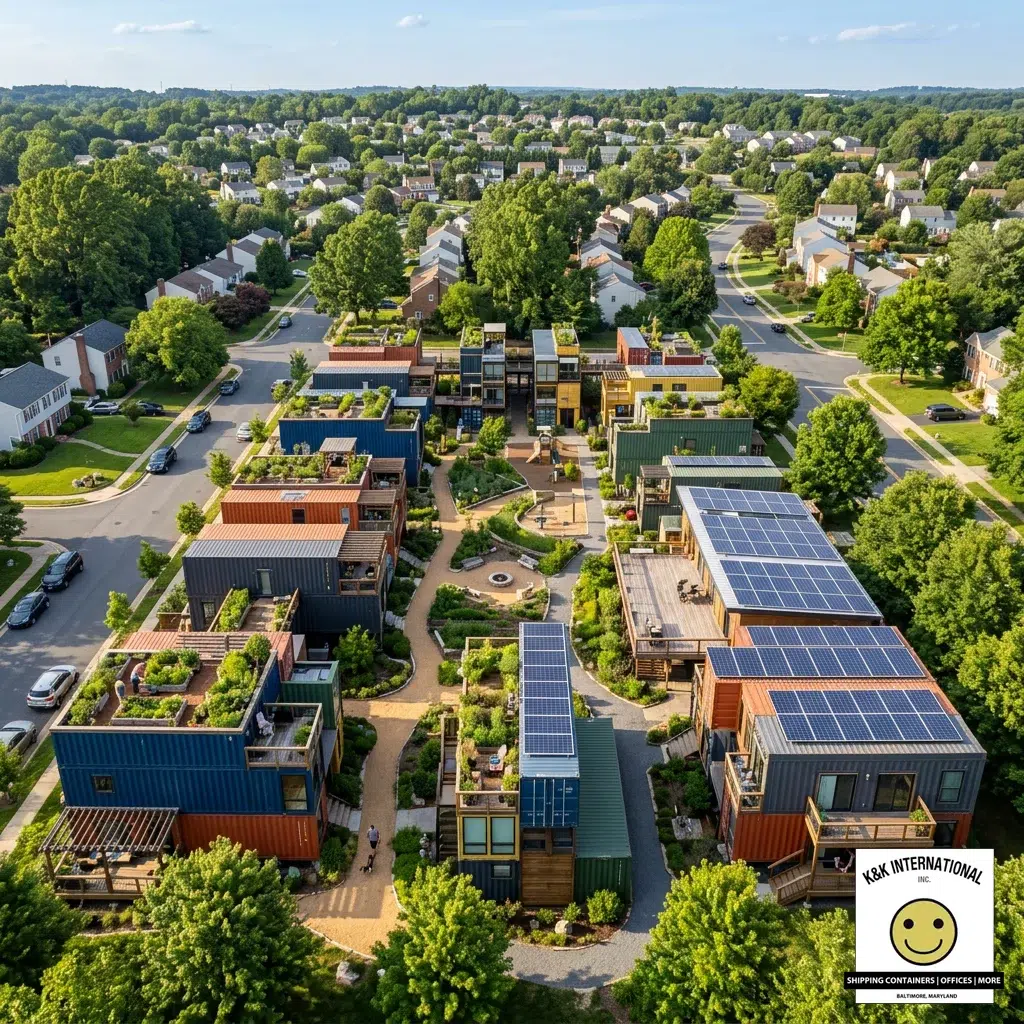
The 2026 container home boom is real. Shipping container homes have gained serious traction across the country, and the Mid-Atlantic is no exception. Rising construction costs, housing shortages, and a shift toward sustainable building practices have pushed buyers and developers to look at alternative structures.
In Maryland alone, inquiries about container homes have surged, particularly around suburban and semi-rural counties where land is more accessible. Virginia’s Shenandoah Valley, Northern Virginia, and the Richmond area are seeing growing interest from buyers who want something distinctive without breaking their budget. Washington DC’s urban density has even produced shipping container apartment projects that sold at premium prices.
The appeal is straightforward:
- Speed: Container structures go up faster than traditional stick-built homes
- Durability: Corten steel weathers decades of use with minimal maintenance
- Flexibility: Containers stack, connect, and configure into virtually any layout
- Sustainability: Repurposing used containers reduces material waste significantly
Container Home Sizes and Configurations
Most container homes in Maryland and Virginia use standard ISO containers as the structural base. The two most common starting points are:
| Container Size | Interior Space | Best Use |
|---|---|---|
| 20ft Standard | ~160 sq ft | Studio, tiny home, guest unit |
| 40ft Standard | ~320 sq ft | Single bedroom unit, office |
| 40ft High Cube | ~340 sq ft + extra height | Primary living space, open plan layouts |
| Multiple combined | Varies | Multi-bedroom homes, ADUs, commercial |
Most full-size container homes combine two to six containers. A two-container 40ft High Cube setup gives you roughly 640 square feet — enough for a well-designed one-bedroom home. Four containers can produce a comfortable 1,200+ square foot family home.
The 40ft High Cube is the most popular choice for residential builds — the extra foot of ceiling height makes a meaningful difference in livability. Browse available new one-trip 20ft containers and used 40ft high cube units at K&K International.
Zoning and Permitting for Container Homes in Maryland
Permitting is where most Maryland container home projects hit their first obstacle. Zoning rules vary dramatically by county. Here’s a general breakdown:
- Rural and agricultural zones: Generally more permissive. Counties like Garrett, Allegany, and Washington County have fewer restrictions on alternative structures.
- Suburban residential zones: Require full building permits, foundation plans, and often architectural drawings showing the container home meets local building codes.
- HOA communities: Nearly always prohibit container structures — check CC&Rs before purchasing land.
Maryland follows the International Building Code (IBC). Container homes must meet the same structural, electrical, plumbing, and energy efficiency standards as any other residential construction. Working with a contractor experienced in container builds is essential — not every general contractor understands the unique framing and insulation requirements.
For detailed state-level guidance, Maryland DHCD provides housing code resources, and HUD’s housing standards page covers alternative housing classifications.

Zoning and Permitting for Container Homes in Virginia
Virginia’s permitting landscape for container homes is similarly county-dependent. The state itself doesn’t ban container structures, but local jurisdictions control zoning and building approvals.
- Shenandoah Valley counties: Rockingham, Augusta, and Shenandoah County have large rural areas where container homes are increasingly approved.
- Northern Virginia: Fairfax, Loudoun, and Prince William counties have strict residential codes — container homes are possible but require detailed engineering submissions.
- Richmond area: Mixed — urban Richmond is more restrictive, Chesterfield and Hanover counties have more flexibility.
Virginia uses the Virginia Uniform Statewide Building Code (USBC), based on the IBC. Always engage a local architect or structural engineer before breaking ground. Visit Virginia DHCD’s building codes page for current requirements.
Insulation: The Most Important Decision in a Container Home Build
Steel conducts heat and cold aggressively. Without proper insulation, a container home in Maryland or Virginia becomes unbearable in summer and inefficient in winter. The three main insulation approaches are:
- Spray foam: Best performance — fills every gap, prevents condensation on steel walls. Higher cost but worth it in climate-variable Mid-Atlantic conditions.
- Rigid foam panels: More affordable, good R-value, but requires careful installation to avoid thermal bridging at seams.
- Blanket insulation (fiberglass/mineral wool): Lowest cost but least effective in steel structures — condensation risk is higher.
For Maryland and Virginia climates, spray foam is the recommended choice. The humidity in summer and cold snaps in winter make condensation control a real concern in steel structures.
Sourcing Containers for a Home Build in MD, VA, DC or WV
The quality of your shipping containers directly affects the quality of your finished home. For residential builds, most contractors recommend:
- New one-trip containers — cleaner, no prior cargo chemical exposure, easier to work with structurally
- Grade B used containers — good structural integrity, some cosmetic wear, lower cost
- Avoid Grade C for homes — patchwork repairs and heavy rust create complications when cutting openings for windows and doors
K&K International supplies containers throughout Virginia, Washington DC, and West Virginia with clear grade disclosure on every unit. That transparency matters when you’re using containers as a foundation for your home.
What Does a Container Home Cost in Maryland or Virginia?
Total costs vary widely based on size, finish level, and contractor rates. Here’s a realistic breakdown for 2026:
| Component | Estimated Cost Range |
|---|---|
| Containers (2-4 units) | $8,000 – $25,000 |
| Foundation | $5,000 – $20,000 |
| Modifications (windows, doors, framing) | $15,000 – $40,000 |
| Insulation | $5,000 – $15,000 |
| Electrical, plumbing, HVAC | $20,000 – $50,000 |
| Interior finishing | $15,000 – $60,000 |
| Total Estimated Range | $68,000 – $210,000+ |
High-end custom container homes in Northern Virginia and DC suburbs can exceed $300,000 — but a well-executed mid-range build still compares favorably to traditional construction costs per square foot in the region.
Frequently Asked Questions About Container Homes in MD & VA
| Question | Answer |
|---|---|
| Are shipping container homes legal in Maryland? | Yes, but subject to local zoning and building codes. Rural counties are generally more permissive than suburban ones. |
| Can I get a mortgage on a container home? | It is possible if it’s built on a permanent foundation and meets local building codes. Some lenders classify them as modular or stick-built — check with your lender early. |
| How long do shipping container homes last? | With proper insulation and maintenance, 25-50+ years. Corten steel is built to withstand harsh marine environments. |
| Do I need an architect for a container home in Virginia? | In most jurisdictions, yes — especially for structures over a certain square footage. Always check with your local building department. |
| What container grade should I use for a home? | New one-trip or Grade B used containers are recommended. Avoid Grade C for residential builds. |
Build Smart: Start With the Right Containers in the Mid-Atlantic
A shipping container home in Maryland or Virginia starts with sourcing the right units from a trusted local supplier. K&K International has the inventory and the delivery network to get you the right containers on time and on budget. While Call (410) 574-5550 or visit the Request a Quote page to get started.
About K&K International
K&K International is a leading shipping container supplier serving Maryland, Virginia, Washington DC, West Virginia, Delaware, and Pennsylvania. With decades of experience in the container industry, K&K offers used and new containers, quality used units in multiple grades, and direct delivery across the Mid-Atlantic and Southeast. From single-unit purchases to bulk orders for container home builds, K&K provides the inventory and regional reach that buyers depend on.