Planning Your 2026 Storage: Upcoming Trends
Planning your 2026 storage starts with understanding how Maryland businesses are using containers now: on‑site, flexible, and as a hedge against rising rental and warehouse costs.
Why Containers Beat Traditional Storage in 2026

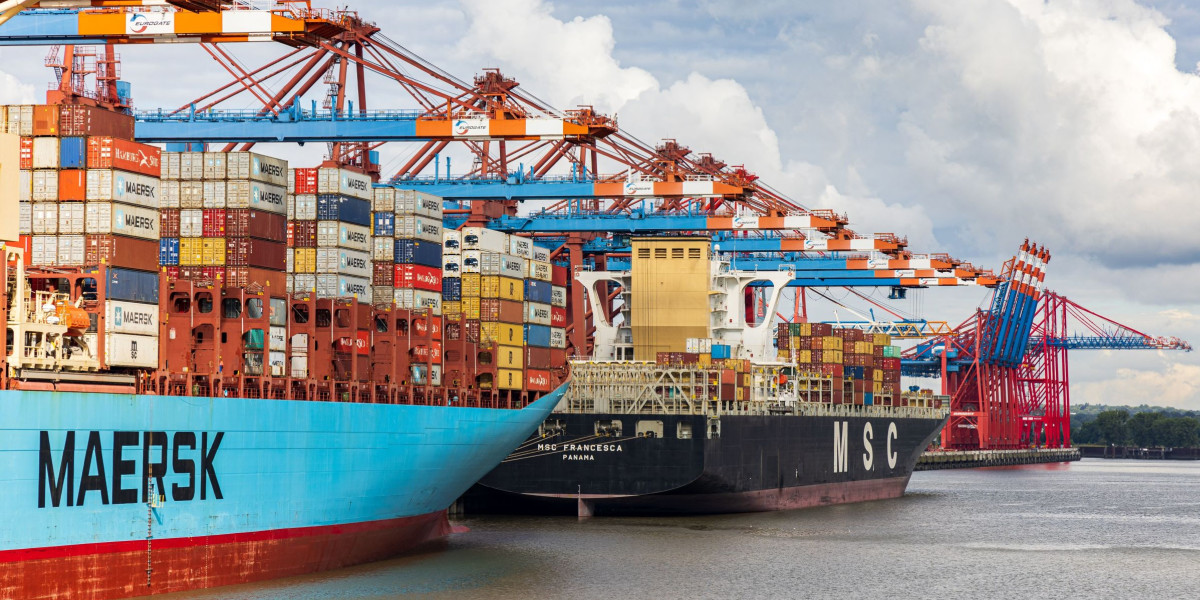
Mid-Atlantic and other logistics‑heavy states are seeing sustained demand for industrial outdoor storage, especially near ports, highways, and construction corridors. At the same time, traditional self‑storage remains a premium market, which makes owning a shipping container a compelling alternative to long‑term monthly rental fees.
Key points to hit:
- Containers let you bring storage directly to your jobsite, school, yard, or facility instead of driving to an off‑site unit.
- A one‑time purchase can cost less than a year or two of climate‑controlled storage rent for many users.
Trend 1: Growing Demand for On‑Site Business Storage
Across construction, material supply, equipment rental, and logistics, outdoor storage yards are becoming critical infrastructure, and containers are the backbone of those yards. Businesses want secure, weather‑resistant space that sits on their own property, so they can keep tools, inventory, and records close to operations instead of scattered across multiple rented units.
For Maryland and other mid-atlantic buyers:
- Contractors use 20ft and 40ft storge shipping containers as secure tool cribs and material cages on rotating jobs.
- Schools, municipalities, and utilities rely on containers for seasonal equipment, emergency supplies, and document overflow.
Trend 2: 20ft vs 40ft (and High Cubes) as Strategic Choices
Standard 20ft containers remain the “easy to place” workhorse, fitting tight lots and urban or suburban driveways while still holding a surprising amount of gear. Forty‑foot and high‑cube units are gaining favor for larger projects and warehouse overflow because that extra floor area or height spreads the cost over more usable space.
How to plan size in 2026:
- Choose 20ft when access is tight, the site is short on flat space, or you rotate the box between smaller jobs.
- Choose 40ft or 40ft high cube when consolidating multiple storage units into one secure, central container.
Trend 3: Modifications Moving from “Nice to Have” to Standard
Market outlook pieces for 2026 show increased demand for specialized storage units, such as high‑cubes, double‑doors, and modified units with built‑in access and organization. Businesses no longer see a container as just a steel box; they expect doors, ventilation, shelving, lighting, and sometimes basic office fit‑outs to come with the package.
Planning tips:
- Decide now whether you need side doors, man doors, extra ventilation, or security upgrades so the unit arrives “job‑ready.”
- Treat basic add‑ons (lockboxes, vents, simple shelving) as part of the initial investment rather than future projects.
- Trend 4: Cost Control vs. Long‑Term Rental
Data and operator commentary suggest many buyers are choosing to own containers as a hedge against self‑storage rent creep and limited availability in growth markets like Maryland. When you buy, you fix your storage cost up front and gain flexibility to move the box, resell it, or repurpose it as your business changes.
For 2026 budgeting:
- Compare a container purchase to 12–24 months of storage rent; for long‑term needs, ownership often wins on total cost.
- Factor in delivery from a local yard and the savings in time and mileage vs repeated trips to an off‑site facility.
Trend 5: Site Readiness and Delivery Planning
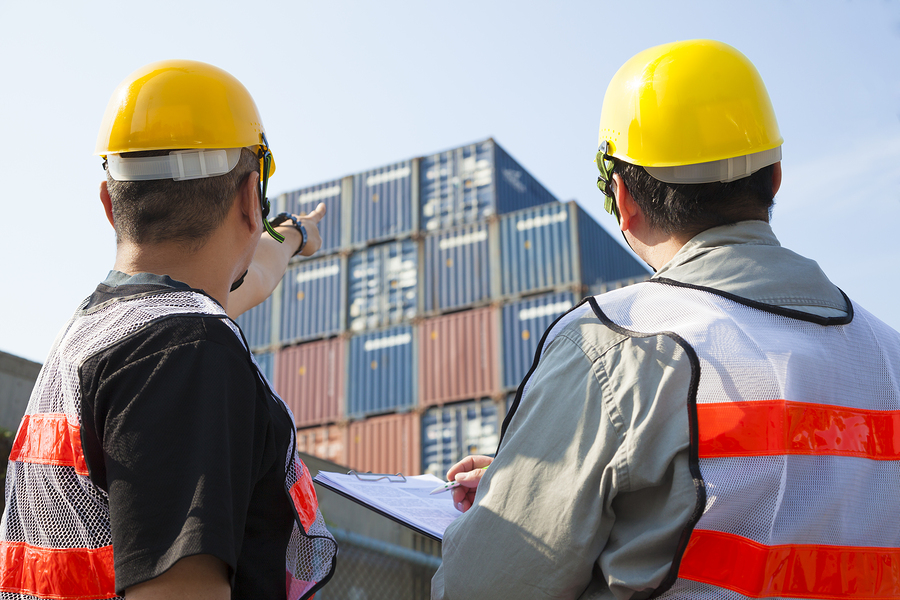
Best‑practice guides emphasize that successful container storage starts with delivery planning: truck access, turning radius, and a level, well‑drained pad matter as much as the box itself. Businesses that plan ahead for siting and access get more usable space and fewer headaches from mud, ruts, or blocked doors.
What Maryland businesses should do now:
- Walk the site and choose a level spot with enough straight‑line room (roughly twice the container length) for the truck to back in and set down.
- Consider drainage and seasonal conditions—elevate or use simple footings in areas prone to soft ground or standing water.
About K & K International
K & K International is a Maryland‑based, family‑owned container supplier with more than 30 years of experience serving businesses across the Mid‑Atlantic, offering new, used, and modified units with in‑house delivery and practical, storage‑focused solutions.