10 Smart Ways Businesses Use Shipping Containers
10 Smart Ways Maryland Businesses Use Shipping Containers for Storage
Shipping containers have become one of the most practical, affordable ways for businesses to add secure, on‑site storage containers without pouring concrete or constructing a building. From its Baltimore base, K & K supplies 10ft, standard 20ft and 40ft units across the Mid‑Atlantic, giving companies a fast, flexible alternative to off‑site storage or permanent construction.
Why Maryland businesses use containers for storage
Businesses across construction, retail, landscaping, agriculture, and public services increasingly rely on containers because they are weather‑resistant, secure, and can be delivered almost anywhere a truck can safely reach. Unlike rented off‑site units, on‑site containers keep tools, inventory, and equipment where they are actually used, saving time and repeated trips.
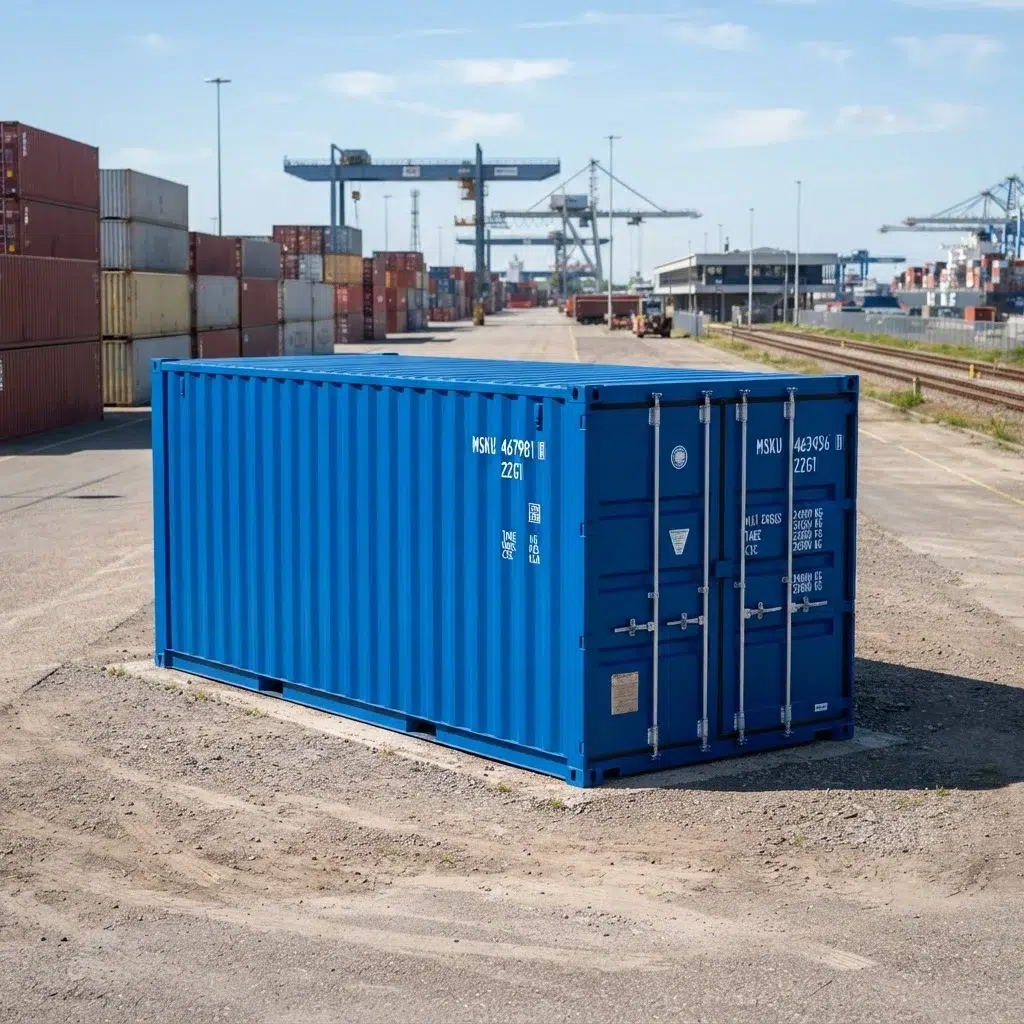
Standard 20ft containers and 40ft containers—often used wind‑and‑water‑tight or one‑trip condition—typically provide all the durability and security most organizations need, especially when paired with simple upgrades that you can implement like a lock box or vents.
10 smart on‑site storage use‑cases
Here are ten common, low‑complexity ways Maryland businesses use shipping containers for storage—without turning them into gyms, homes, or heavily modified buildings.
-
1. Jobsite tools and equipment. Contractors and trades store tools, small equipment, and materials in 20ft or 40ft units on active job sites to cut theft risk and avoid daily hauling.
-
2. Seasonal retail inventory. Garden centers, hardware stores, and big‑box retailers use containers to hold seasonal items (snow gear, lawn and garden, patio sets) between peak seasons right on their lots.
-
3. Landscaping and hardscape storage. Landscape and hardscape businesses keep mowers, trimmers, bagged product, and tools secure at yards or staging areas in used WWT units.
-
4. School and municipal storage. Schools, parks, and public works departments store athletics equipment, maintenance tools, and event supplies in containers placed near fields or facilities.
-
5. Farm and agricultural supplies. Farms use containers for feed, fencing, seasonal equipment, and parts, taking advantage of the weather resistance and rodent‑resistant steel shell.
-
6. Event and festival gear. Event companies and municipalities store stages, tents, barricades, and signage in containers that sit on fairgrounds or depots between events.
-
7. Warehouse overflow. When indoor space is tight, companies add containers at dock areas or yard edges to hold overflow pallets, packaging, or buffer inventory.
-
8. Small machinery and vehicles. 40ft units often serve as a secure bay for small machinery, ATVs, golf carts, or equipment that should not sit exposed.
-
9. Records and archives. Organizations use containers for boxed records or archives when warehouse expansion is not practical, adding shelving and simple climate‑aware practices as needed.
-
10. Emergency and disaster supplies. Emergency managers and utilities store emergency water, supplies, and repair materials in containers placed strategically around service areas.
In all of these scenarios, companies rely on standard containers as storage boxes, not buildings—keeping things simple, durable, and cost‑effective.
Picking the right size and condition
For most storage use‑cases, the key decisions are size (20ft vs 40ft) and condition (used vs one‑trip).
-
20ft used containers work well for tight sites, smaller inventory, or where maneuvering room is limited—common around residential neighborhoods, smaller commercial lots, or dense areas near Baltimore.
-
40ft used containers shine when you have room on site and want the best storage value per square foot, such as in contractor yards, farms, and industrial sites.
-
One‑trip (new) containers appeal when appearance and long‑term lifespan are important—for example, customer‑visible retail sites or key corporate locations.
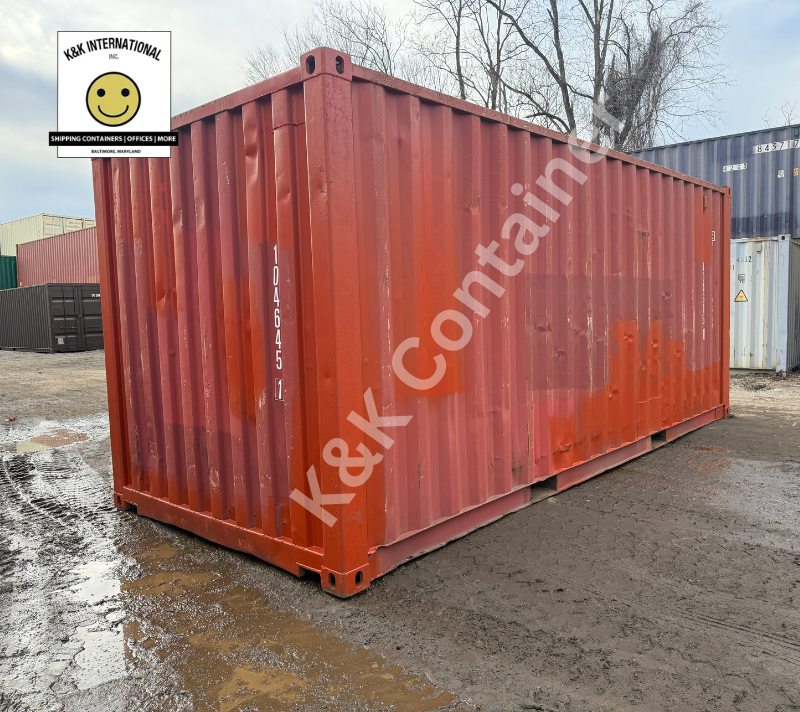
You can compare real K & K options on the Shipping Containers overview page and specific product listings like the 20′ Used Shipping Container and other units in the K & K Container Shop.
Simple “no‑build” upgrades businesses often add
Many Maryland businesses keep modifications minimal, focusing on simple, practical upgrades instead of complex conversions.
-
Security enhancements. Lock boxes and improved lock hardware add an extra layer of theft protection for tools and inventory.
-
Ventilation and condensation control. Basic vents help reduce condensation risk when storing moisture‑sensitive goods.
-
Paint and branding. A fresh neutral or brand‑aligned color improves appearance on visible sites and can help containers blend with existing buildings.
K & K can help pair you with a box that suits these light‑touch upgrades, while you or your vendors handle interior racking, shelving, or organizational systems as needed.
Local service across Maryland and the Mid‑Atlantic
Because K & K owns its yard and runs its own trucks from the Baltimore area, it can quickly supply containers to businesses across Maryland and nearby states, subject to site access and delivery routes. Local knowledge of driveways, yards, and commercial properties reduces surprises at delivery and helps you pick the right size for your specific location.
To explore options and get an all‑in delivered quote for your Maryland or Mid‑Atlantic site, start with the Shipping Containers page, browse specific units in the K & K Container Shop, or review local service information linked from your regional pages on kkcontainer.com.
Tags: Shipping Containers